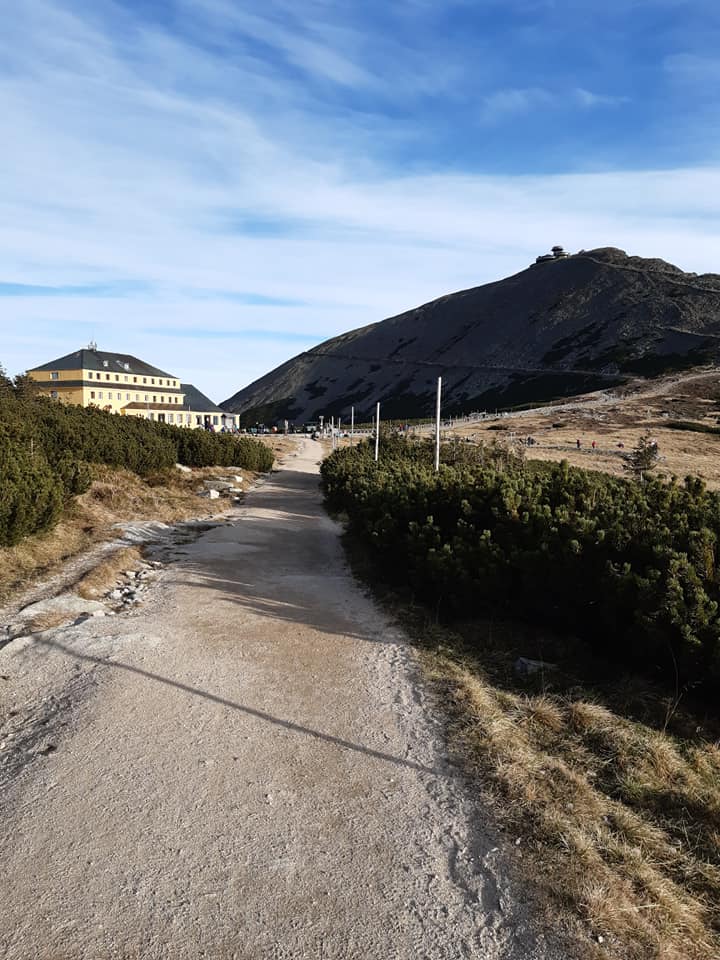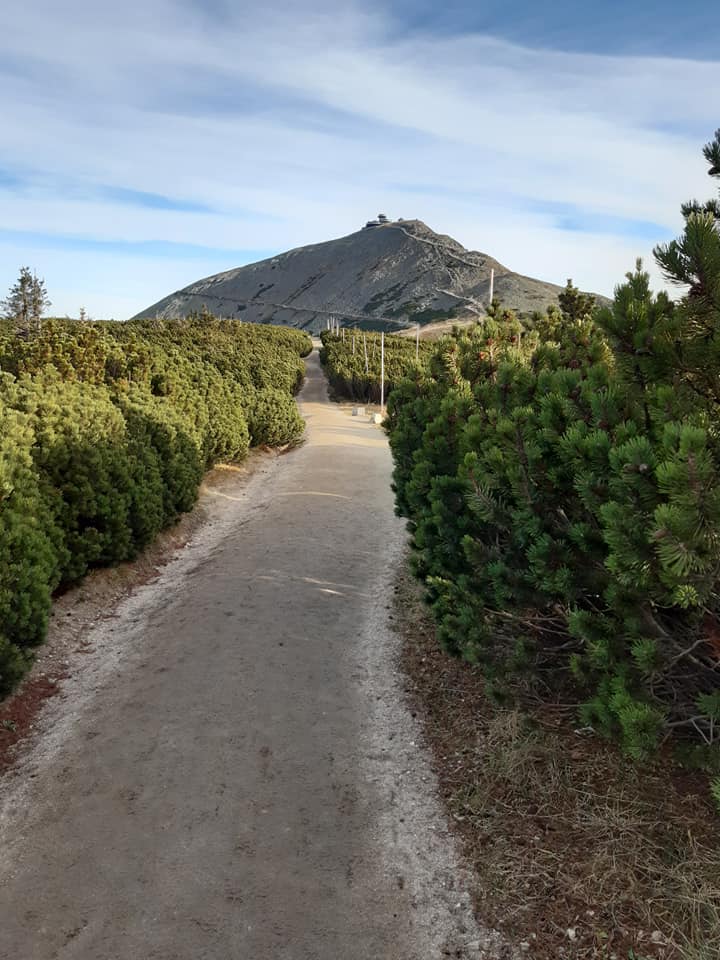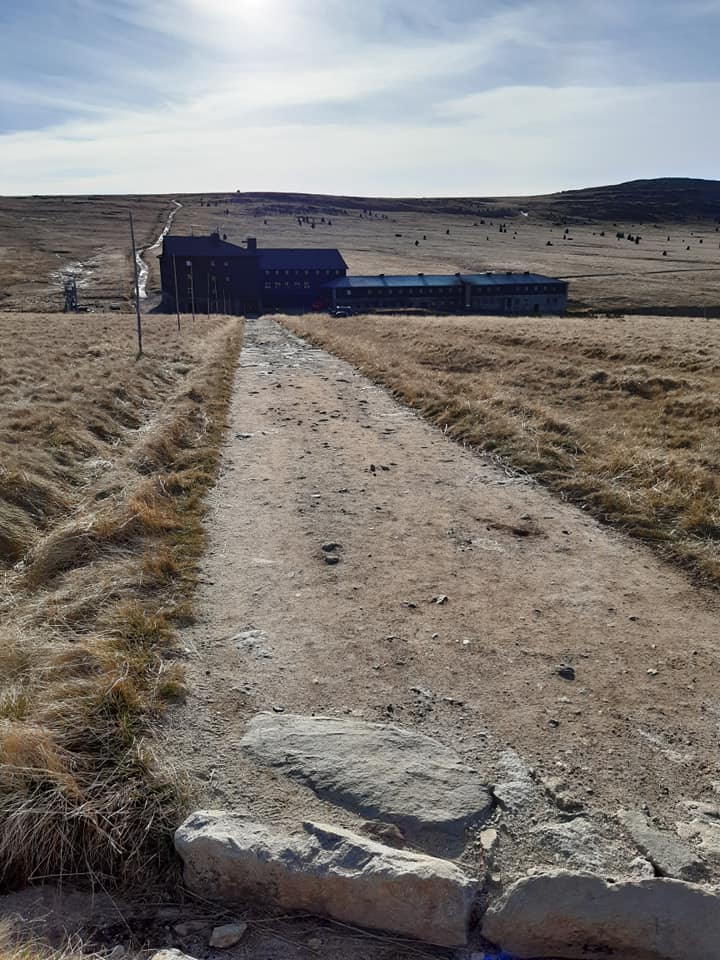
 Guide
GuideIndependence Day in the Giant Mountains
The weather in the mountains in November can surprise you positively!
Against the odds, it can be sunny, cloudless and warm - like November 2020, for example: 20 degrees warm, beautiful sunshine and cloudless skies.
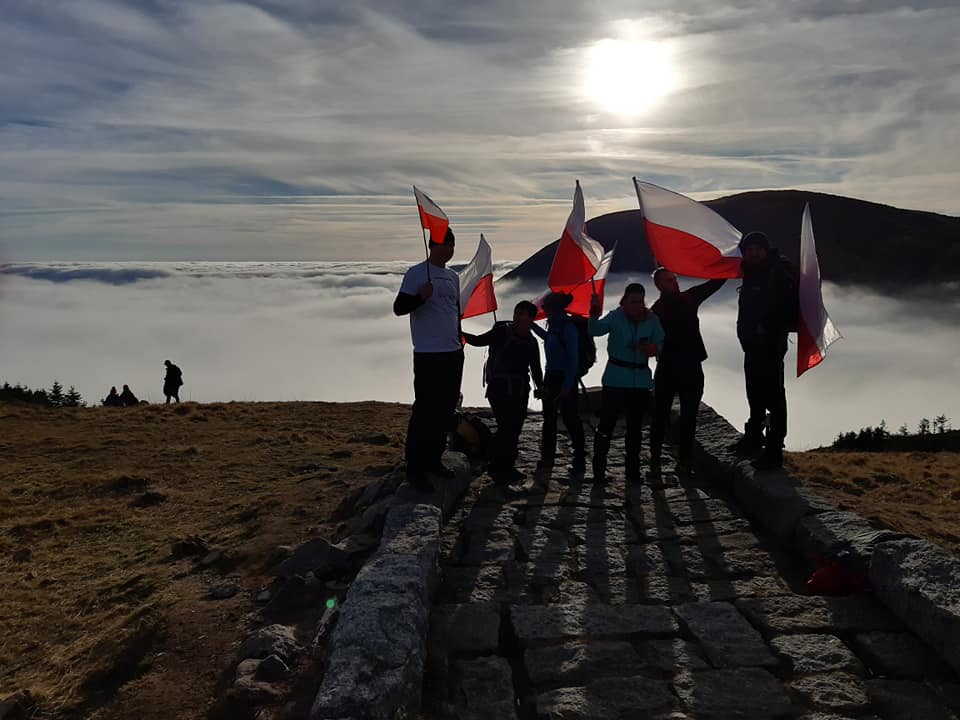
November in the Krkonoše Mountains also means frequent inversions - it is warmer on the peaks than in the lowlands and the mists drifting below the mountains make you feel as if you are in heaven in the mountains.
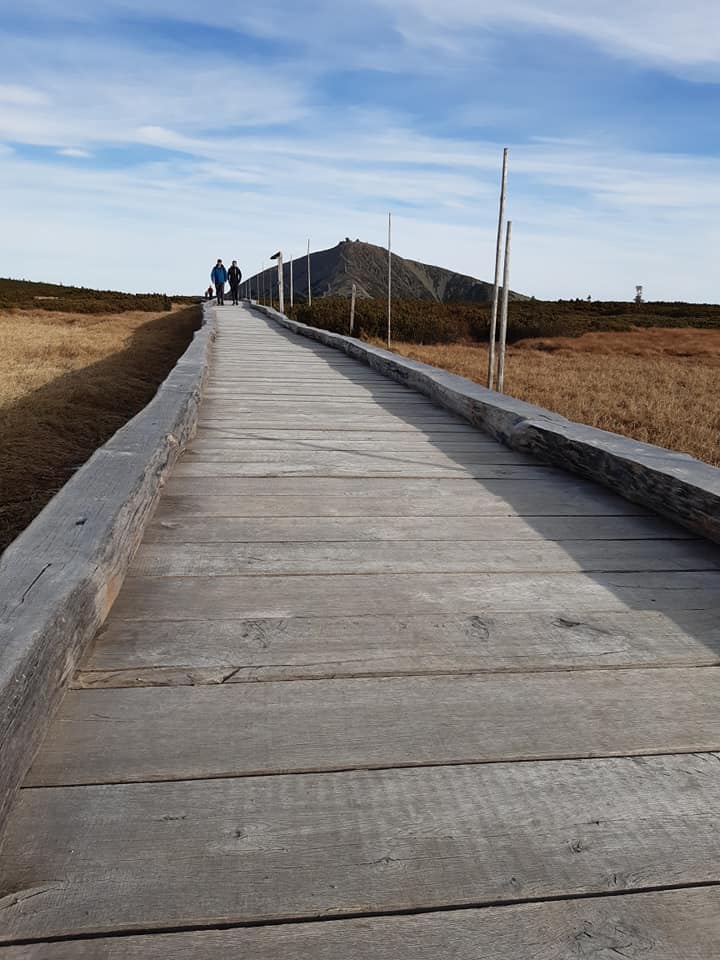
I would like to invite you to reminisce about a November mountain hike along the Karkonosze trail to Sněžka from the Wang Temple in Karpacz. The morning of 11 November 2020 greeted us with a slight chill, cloudless sky and rising sun.
We set off from the Wang Temple in Karpacz, a unique architectural structure located in the Polish Karkonosze Mountains.
The wooden church, built in the Swedish Baroque style, was moved here from Vang in Norway in 1842.
Wang is one of the region's most important sights and also a popular starting point for mountain hikes, including Sněžka, the highest peak in the Krkonoše Mountains.
From the Temple we set off along the green trail towards the Sunflower rock formation.
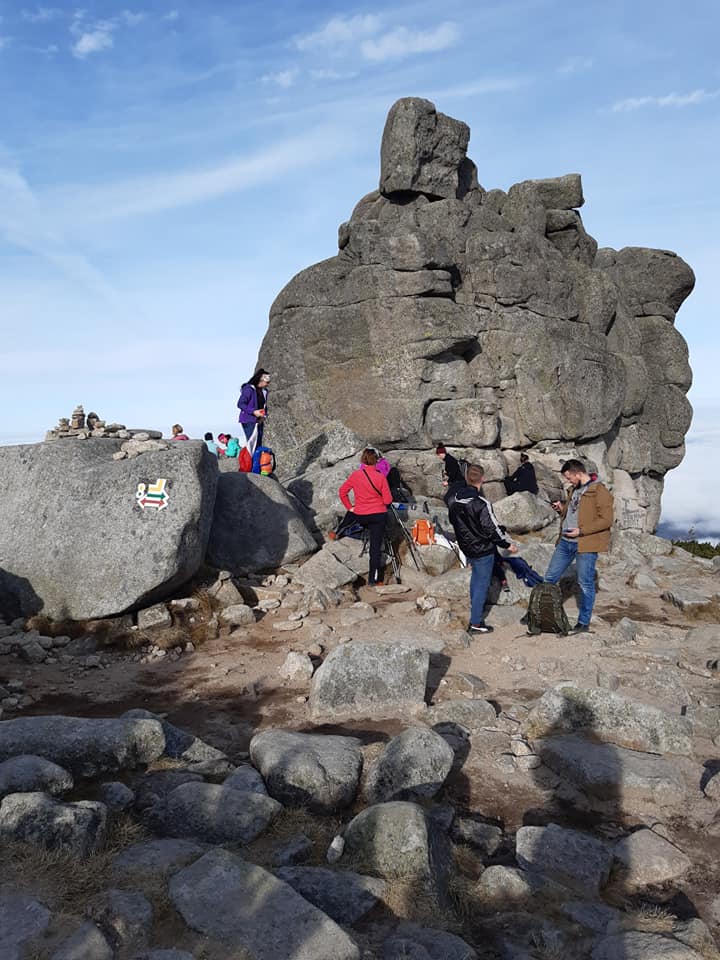
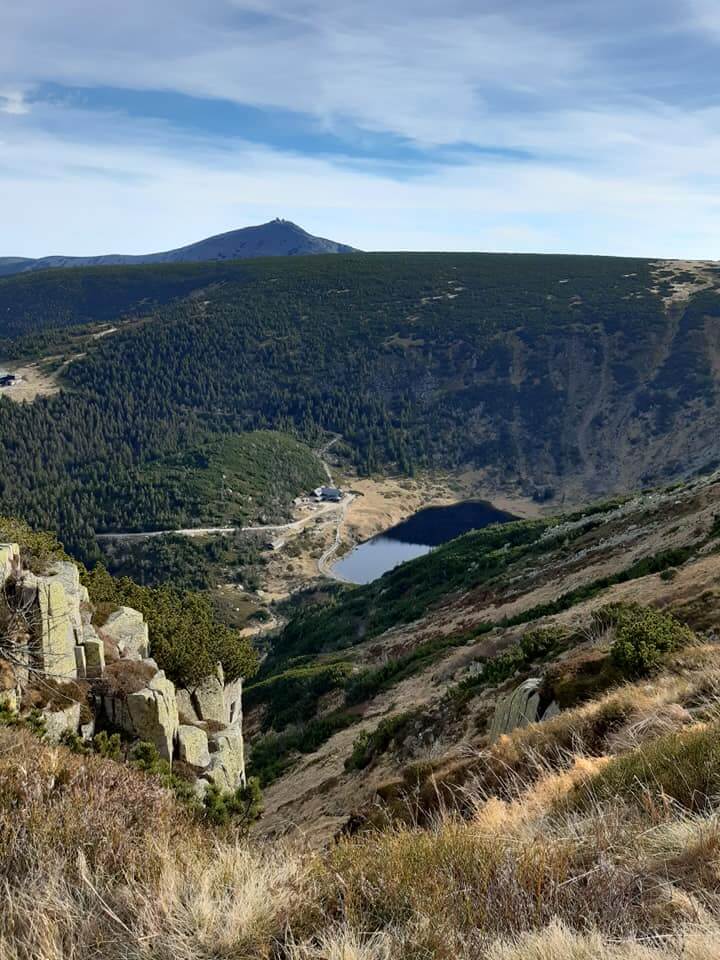
Sunflower is one of the many granite rock formations in the Krkonoše Mountains. It is located above Great Pond, on the red hiking trail.
The Sunflower rises to 1,423 metres above sea level, and the rocks themselves are 12 metres high. The rocks are visible from Karpacz Górny, Borowic and Przesieka. The German name for these rocks is: Mittagstein, meaning South (or South) Stone.
The term comes from the fact that it is precisely at midday that the sun is over the rocks when looking from the side of the aforementioned villages.
The sunflower is also called the Devil's Stone because its appearance resembles a carved human or devilish figure.